


Cooking enthusiasts often find themselves at a crossroads when it comes to using cast iron cookware on glass cooktops. While cast iron is celebrated for its heat retention and versatility, glass cooktops present unique challenges. This guide will explore the compatibility of cast iron with glass cooktops, offering insights, tips, and best practices to ensure a seamless cooking experience.
Understanding Glass Cooktops
What Are Glass Cooktops?
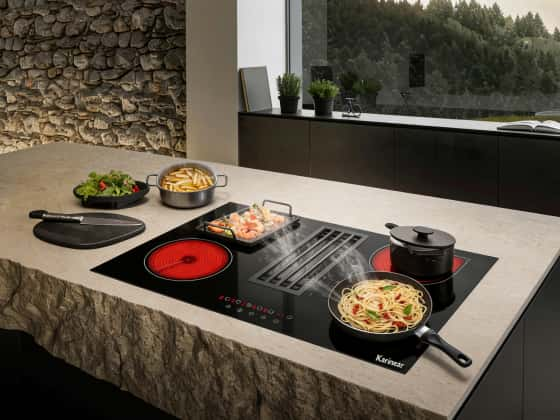
Glass cooktops are a modern kitchen feature that combines aesthetics with functionality. They consist of a smooth, flat surface made from tempered glass or ceramic, which is designed to provide even heating and easy cleaning. Unlike traditional coil or gas burners, glass cooktops utilize radiant heat, which is generated by electric coils beneath the surface.
How Do They Work?
The heating elements beneath the glass surface heat up and transfer warmth to the cookware placed on top. This design allows for a sleek appearance and simplifies the cooking process, as there are no grates or coils to manage. However, the smooth surface requires careful handling to avoid scratches and damage.
The Appeal of Cast Iron Cookware
Why Choose Cast Iron?
Cast iron cookware is renowned for its durability and excellent heat retention. It can withstand high temperatures, making it ideal for searing, frying, and baking. Additionally, cast iron develops a natural non-stick surface when properly seasoned, enhancing the flavor of dishes over time.
Benefits of Using Cast Iron
- Versatility: Suitable for stovetop and oven use.
- Flavor Enhancement: Adds depth to dishes through seasoning.
- Longevity: With proper care, cast iron can last for generations.
Compatibility Concerns
Why the Caution?
Many manufacturers caution against using cast iron on glass cooktops due to the weight and rough surface of the cookware. Dropping or sliding a heavy cast iron skillet can lead to scratches or even cracks in the glass. Additionally, the rough base of some cast iron pans may not provide optimal contact with the smooth surface, leading to uneven heating.
Common Misconceptions
Despite these concerns, many home cooks successfully use cast iron on glass cooktops. The key is to understand the limitations and take necessary precautions to protect both the cookware and the cooktop.
Choosing the Right Cast Iron Cookware
What to Look For
When selecting cast iron cookware for use on glass cooktops, consider the following factors:
- Weight: Opt for lighter cast iron skillets that are easier to handle.
- Smooth Base: Choose skillets with a flat, smooth bottom to ensure even heat distribution.
- Size: Ensure the skillet is not significantly larger than the burner to prevent overheating and potential damage.
Recommended Brands
Some brands, like Field Company, have designed cast iron skillets specifically for modern cooking surfaces. Their skillets are lighter and feature smoother bases, making them ideal for glass cooktops.
Cooking with Cast Iron on Glass Cooktops
Preparation Steps
Before you start cooking, follow these essential steps:
- Clean the Base: Ensure the bottom of the skillet is free from debris and excess oils. A clean surface helps prevent sticking and ensures even heating.
- Heat Gradually: Begin with low heat and gradually increase to the desired temperature. Glass cooktops can take longer to heat up compared to gas stoves.
- Avoid Sliding: Always lift the skillet when adjusting its position. Sliding can scratch the glass surface.
Cooking Techniques
- Searing: Cast iron is perfect for achieving a beautiful sear on meats. Preheat the skillet and add a small amount of oil before placing the meat.
- Baking: Many cast iron skillets are oven-safe, making them great for baking cornbread or frittatas.
- Sautéing: Use cast iron for sautéing vegetables, ensuring even cooking and flavor development.
Caring for Your Glass Cooktop
Daily Maintenance
To keep your glass cooktop in pristine condition, follow these daily maintenance tips:
- Wipe After Use: Clean spills immediately after the cooktop cools down to prevent staining.
- Use Non-Abrasive Cleaners: Avoid harsh chemicals and abrasive sponges that can scratch the surface.
Deep Cleaning
For a thorough clean, consider the following steps:
- Cool Down: Ensure the cooktop is completely cool before cleaning.
- Baking Soda Paste: Create a paste with baking soda and water, apply it to stubborn stains, and let it sit for 15 minutes.
- Scrub Gently: Use a non-abrasive sponge to scrub away the paste and stains, then wipe clean with a damp cloth.
Troubleshooting Common Issues
Scratches and Damage
If you notice scratches on your glass cooktop, assess the severity. Minor scratches may not affect functionality, but deeper ones could require professional repair. Always handle cookware with care to minimize the risk of damage.
Uneven Heating
If you experience uneven heating while cooking, check the base of your cast iron skillet. Ensure it is clean and free from debris. Additionally, consider using a heat diffuser to promote even heat distribution.
Conclusion
Using cast iron on glass cooktops can be a rewarding experience when approached with care and knowledge. By selecting the right cookware, following proper cooking techniques, and maintaining your cooktop, you can enjoy the benefits of cast iron without compromising the integrity of your glass surface. Embrace the versatility of cast iron and elevate your cooking game while keeping your kitchen looking pristine!