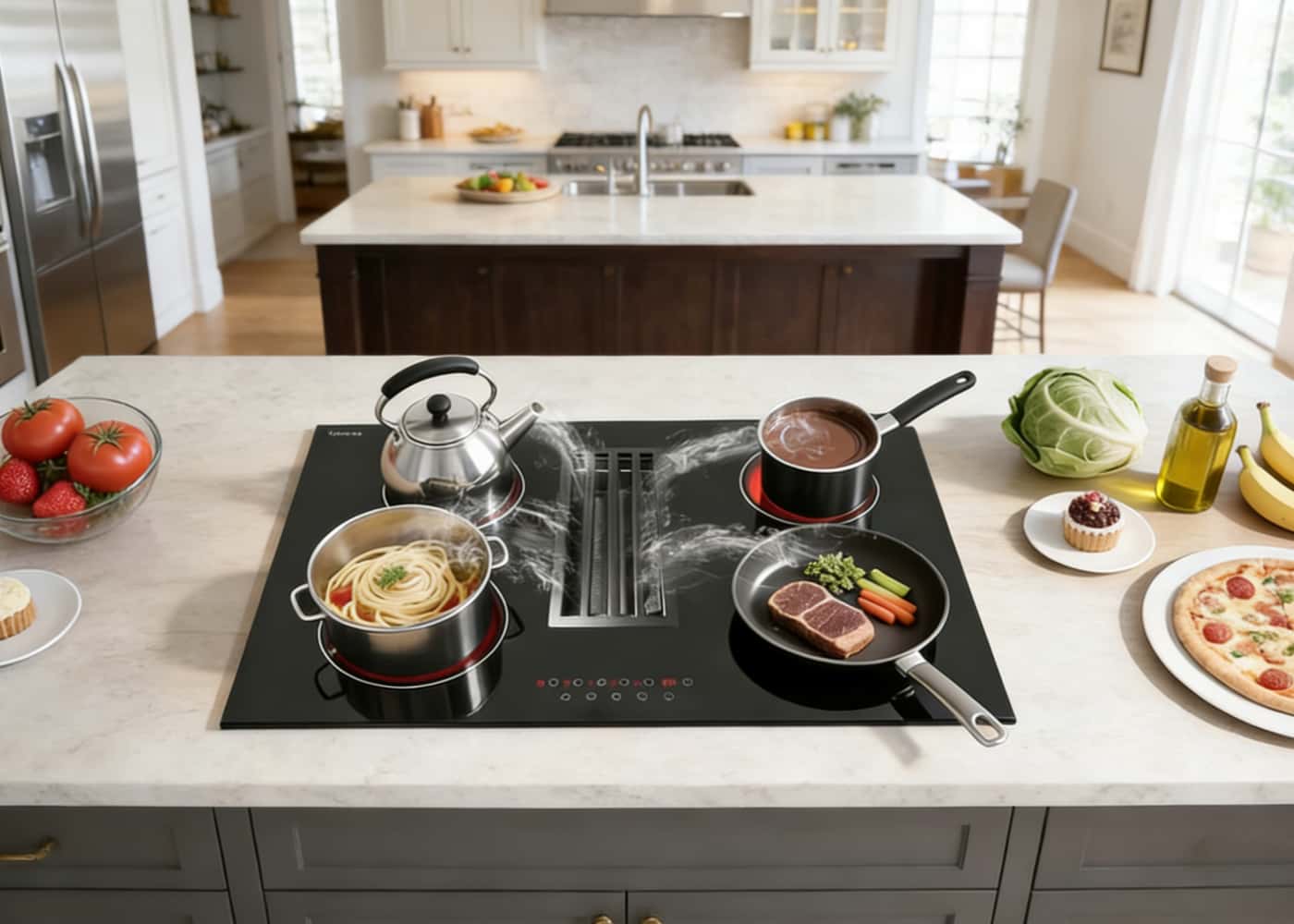
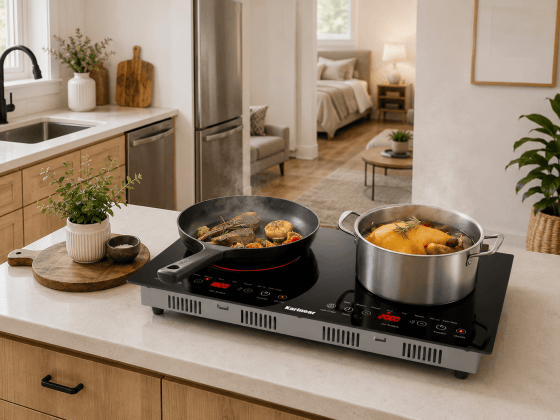

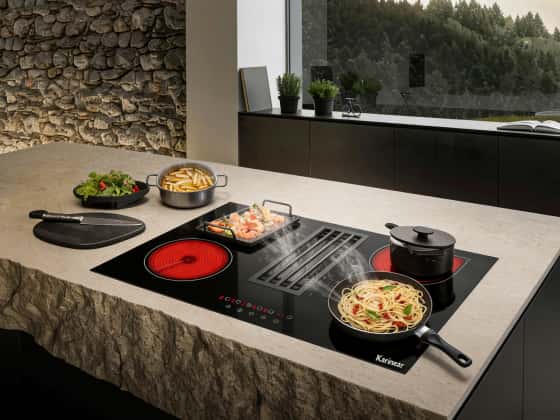






When intending a kitchen area remodel , house owners typically face a vital design obstacle: Just how to handle ventilation without compromising the structural honesty or the aesthetic flow of the home. While the conventional overhanging range hood has been the industry requirement for decades, the rise of open-concept living and kitchen area islands has actually popularized an extra incorporated remedy: the Electric Cooktop with Downdraft. Yet exactly how does it function, and is it the ideal option for your home? This overview checks out the scientific research behind downdraft technology and why it has actually ended up being a top-tier useful choice for modern cooking areas.
1. The Physics of Ventilation: How Downdraft Systems Work
To comprehend a downdraft system, we should first look at the physics of food preparation. When you warm food, it creates a "thermal plume"-- a combination of steam, grease, and smells that naturally climbs since hot air is less dense than the bordering awesome air.
The "Capture" Principle
A traditional hood waits for the smoke to increase and then catches it. A downdraft system, however, obstacles this all-natural buoyancy by producing a powerful high-velocity location of reduced pressure right at the cooktop surface area.
By using a high-performance fan situated below the counter, the system draws the air horizontally throughout the pots and pans and then vertically down into the filtering system. This is known as "Near-Source Capture," counteracting smells and grease before they have a possibility to disperse into your living location.
2. Ceramic vs. Induction: Why Electric Ceramic Still Leads in Versatility
When selecting a built-in downdraft cooktop, you’ll likely choose between Induction and Electric Ceramic. While induction is trendy, many professional home cooks prefer Electric Ceramic for several technical reasons:
- Thermal Compatibility: Ceramic cooktops use infrared burner under a smooth glass surface area. Unlike induction, which needs magnetic stainless steel or actors iron, ceramic is compatible with all kinds of pots and pans, including glass, ceramic, and light weight aluminum.
- Residual Heat: Ceramic aspects maintain warm much longer, which is perfect for "carry-over food preparation" or maintaining recipes cozy-- a common requirement in American holiday organizing.
- Constant Warmth Flow: It offers a steady stream of convected heat, which is often superior for fragile tasks like melting chocolate or simmering thick stews.

3.The Engineering Solution for Home: Karinear 30-Inch Downdraft Cooktop
For those looking for a high-performance, economical entry right into this technology, the Karinear 30 Inch Electric Cooktop with Downdraft acts as an exceptional case study in modern kitchen engineering.
Integrated Suction Power
The Karinear version is made with a centralized consumption. This placement is strategic; it rests equidistant from all four heating areas, making certain that whether you are utilizing the front-left high-power burner or the rear-right simmer area, the suction performance remains regular.
The Ductless (Recirculation) Benefit
In many homes-- especially condominiums in cities like New York or Chicago, or country slab-on-grade residences-- running a 6-inch metal duct with the flooring or ceiling is physically difficult or excessively expensive ($2,000+ in labor).
The Karinear system excels here by offering a Ductless/Recirculation mode. Instead of exhausting air outside, it pulls the air through:
-
A Grease Filter: To trap heavy lipid particles.
-
A Carbon/Charcoal Filter: To chemically neutralize odors.
-
Recirculation: The cleaned air is then returned to the kitchen. This saves the homeowner from major structural renovations.
Safety and Control Engineering
The unit incorporates a digital touch control interface, allowing for precise power increments. It also features essential safety protocols for the US market, including Overheat Protection and a Residual Heat Indicator, which alerts users that the surface is still above a safe touch temperature.
4. Cost-Benefit Analysis: Is It Worth the Investment?
When evaluating the "Value-to-Performance" ratio, the integrated downdraft system often wins on total project cost.
| Feature | Traditional Set-up | Karinear Downdraft System |
| Appliance Cost | $600 (Cooktop) + $800 (Hood) | Approx. $600 - $900 Total |
| Installation | High (Ductwork + Ceiling Support) | Low (Drop-in + Electrical) |
| Visual Impact | Blocks Sightlines | Zero Visual Obstruction |
| Maintenance | Cleaning High-Reach Filters | Easy-Access Surface Filters |
For homeowners looking for a "Value-First" upgrade, the integrated approach eliminates the need to purchase two separate appliances and significantly reduces the hourly labor costs paid to contractors.
Conclusion
The transition from overhead venting to downdraft technology is more than just a stylistic choice; it is an engineering solution to the challenges of modern home design. By integrating powerful suction with the versatile heating of a ceramic cooktop, the 30 Inch Electric Cooktop With Downdraft provides a scientifically sound and economically smart path to a cleaner, more open kitchen.